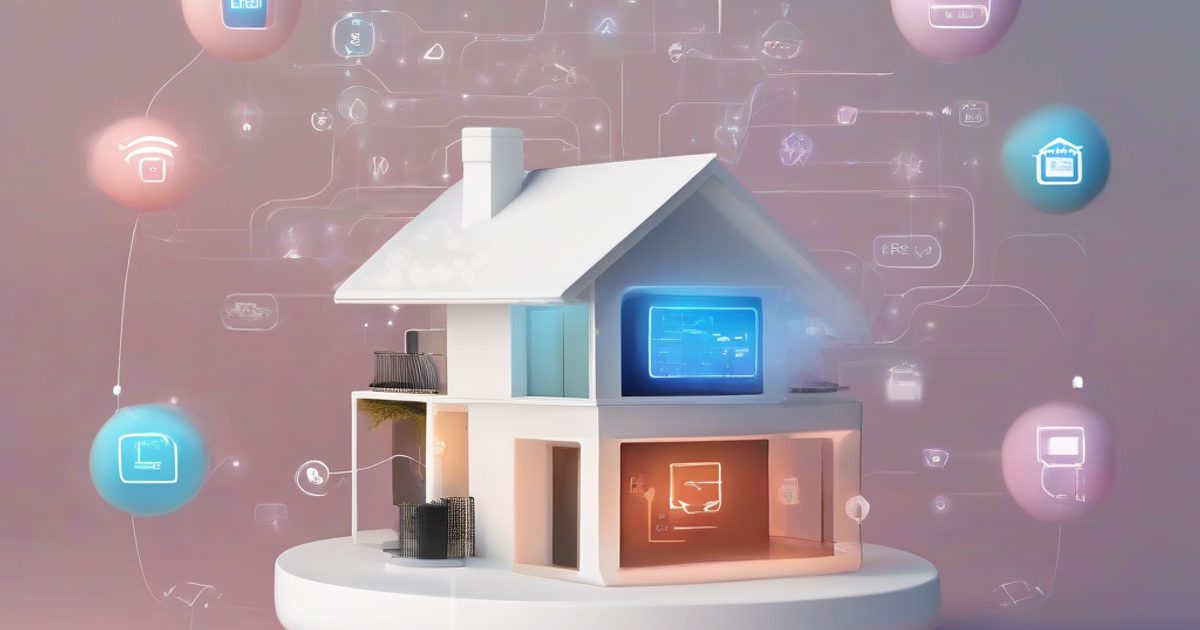
Home Assistant (HA) and commercial hubs like Samsung SmartThings, Hubitat, and Apple HomeKit compete fiercely in 2026. HA, an open-source platform, excels with local processing via Docker on a Raspberry Pi 5 or Intel NUC, supporting Zigbee (via Sonoff ZBDongle-E), Z-Wave (using Aeotec Z-Wave 700 stick), and Matter protocols. Commercial hubs, such as SmartThings v3, prioritize cloud dependence but offer seamless integrations with Google Assistant, Alexa, and Samsung devices. HA’s strength lies in granular control—e.g., automating Philips Hue lights with MQTT or ESPHome-based sensors—but demands technical expertise.
Security is a key differentiator. Home Assistant’s local-first approach mitigates risks like the 2025 Ring camera breach, where cloud vulnerabilities exposed user footage. HA encrypts all traffic via TLS and supports hardware tokens (e.g., YubiKey) for multi-factor authentication. Commercial hubs lag here; SmartThings’ 2026 firmware still relies on Samsung’s cloud, though it now supports local Matter endpoints. For privacy-focused users, HA’s self-hosted model (e.g., running on a Proxmox VM) is unmatched, while hubs like Hubitat Elevation offer hybrid cloud/local processing but with limited encryption options.
Key Concepts
Scalability and ecosystem breadth favor commercial platforms. Samsung SmartThings 2026 supports 3,000+ devices, including 2024-released Yale locks and 2025 LG ThinQ appliances. Home Assistant, though extensible via custom components, requires manual configuration for niche devices. Matter 1.3 (2026) bridges this gap, enabling HA to integrate with Alexa or Google Home without proprietary hubs. For example, a 2026 Matter-over-WiFi switch (e.g., TP-Link Tapo P125M) works natively in HA and SmartThings, but HA’s advanced automations (e.g., time-based triggers with Node-RED) outperform SmartThings’ rigid routines.
Technology is constantly evolving. This guide provides practical technical information to help you build and deploy IoT solutions with confidence.
Related: Smart Home Automation: A Beginner's Guide to Building Your First System · Matter Protocol Explained: The Future of Smart Home Interoperability
Practical Implementation
The 2026 winner depends on use case. Choose Home Assistant for local control, privacy, and flexibility—ideal for a 2026 smart home with 100+ Zigbee sensors (e.g., SONOFF SNZB-06P) and custom dashboards. Opt for commercial hubs if ease of use and broad device support are priorities, like managing a 2026 Samsung Family Hub fridge alongside Ring alarms. Budget-conscious users might pair a $35 Raspberry Pi HA instance with $20 Zigbee sticks, while enterprises favor SmartThings for its $20/month cloud tier. Ultimately, Matter’s maturation in 2026 blurs the lines, but HA remains the DIY powerhouse.