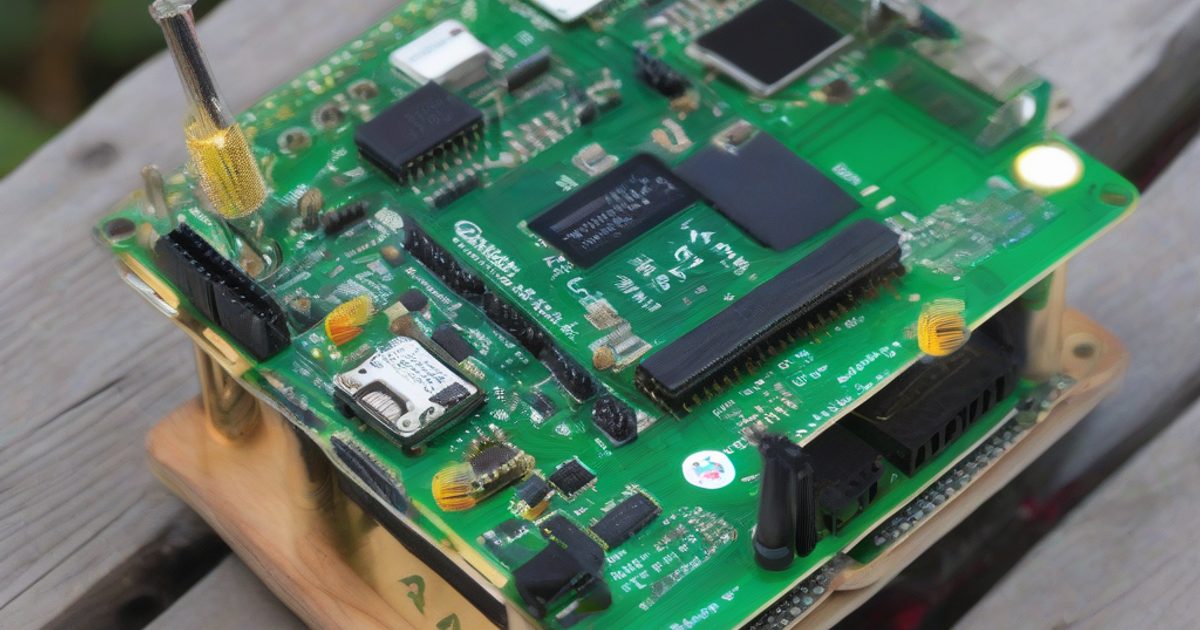
To build a Raspberry Pi IoT weather station, start with a Raspberry Pi 4 (4GB model) running Raspberry Pi OS Lite. Attach a DHT22 sensor via GPIO to measure temperature (-40°C to 80°C, ±0.5°C) and humidity (0-100%, ±2%). Use a breadboard and jumper wires for prototyping. Install Python libraries like `Adafruit_DHT` for sensor readings and `paho-mqtt` for MQTT communication. Ensure the Pi is connected to Wi-Fi or Ethernet for real-time data transmission.
For real-time data logging, use an MQTT broker like Mosquitto on a cloud server or local machine. Configure the Pi to publish sensor data to topics such as `weather/temperature` and `weather/humidity` every 60 seconds. Use the `mosquitto_sub` client to verify data flow. For visualization, deploy Node-RED on the Pi or a separate server to process MQTT messages. Create a dashboard with gauges and charts using Node-RED’s built-in UI nodes.
Key Concepts
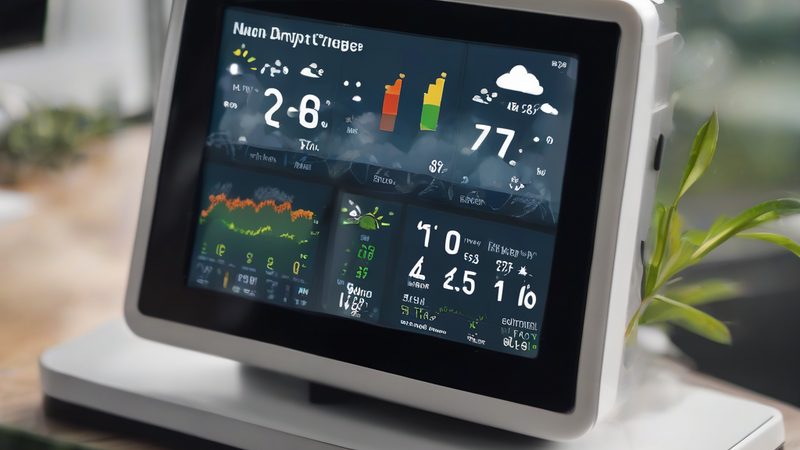
To store historical data, integrate InfluxDB (time-series database) with MQTT via Telegraf. Configure Telegraf to subscribe to MQTT topics and write data to InfluxDB. Use Grafana to create interactive dashboards, pulling data from InfluxDB. For example, display temperature trends over 24 hours with alert thresholds (e.g., >30°C). This setup provides long-term analytics and anomaly detection. Power the Pi with a 5V/3A USB-C PSU to ensure stable operation during continuous use.
Technology is constantly evolving. This guide provides practical technical information to help you build and deploy IoT solutions with confidence.
Related: ESP32 Projects: 5 Practical IoT Devices You Can Build This Weekend · Low-Power IoT: How BLE and Zigbee Compare for Battery-Powered Devices
Practical Implementation
Deploy the weather station in a weatherproof enclosure (e.g., IP65-rated plastic box) with a small fan for cooling. Position the DHT22 sensor externally while keeping the Pi indoors. For remote access, enable SSH and use Dynamic DNS (e.g., `noip.com`) if the public IP changes. Example: A school project used this setup to track classroom humidity, alerting staff when levels exceeded 70% (risk of mold). Total cost: ~$80 (Pi 4, DHT22, sensors, enclosure). This modular design can scale to add BMP280 for barometric pressure or an anemometer for wind speed.