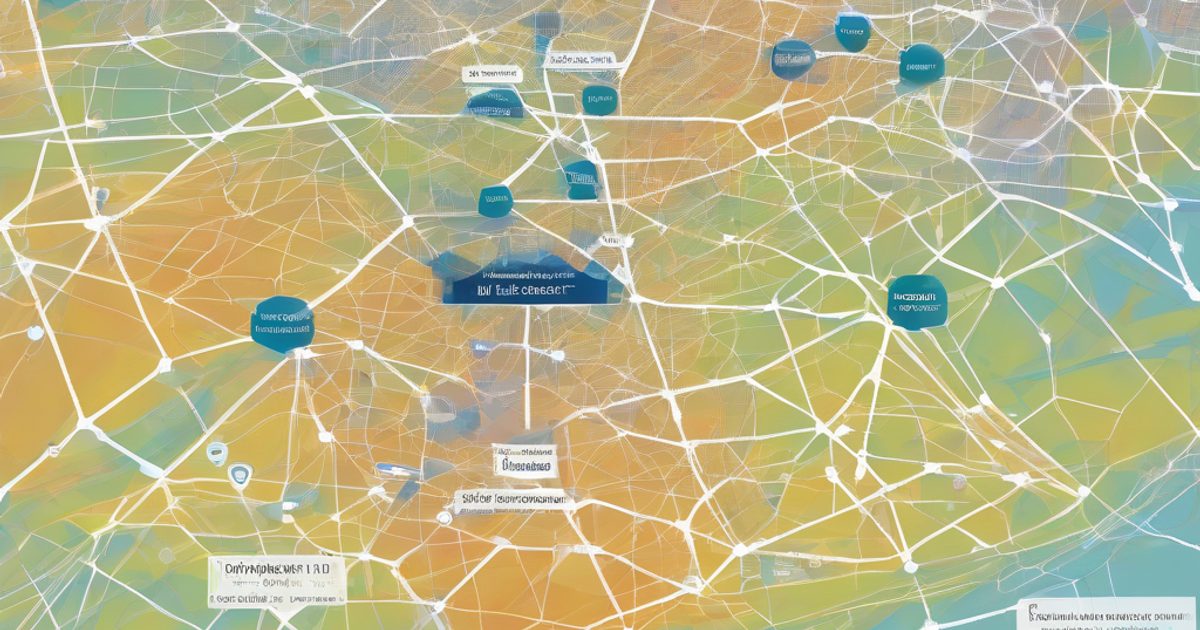
LoRaWAN and NB-IoT are leading low-power wide-area (LPWA) technologies for IoT devices. LoRaWAN, developed by the LoRa Alliance, operates in unlicensed sub-GHz ISM bands (e.g., 868 MHz in Europe, 915 MHz in North America) using spread-spectrum modulation, enabling long-range communication (up to 15 km in rural areas). It supports bi-directional communication and is ideal for battery-powered sensors like Libelium’s Smart Agriculture Pro, which monitors soil moisture and weather conditions. LoRaWAN’s scalability and open ecosystem make it cost-effective for large deployments in smart cities or logistics.
NB-IoT, a 3GPP standard, leverages licensed cellular networks (e.g., LTE Cat NB1) to deliver reliable, secure connectivity with deep indoor penetration. Operators like Vodafone and AT&T support NB-IoT, which offers data rates up to 250 kbps and lower latency than LoRaWAN. It excels in urban environments for applications such as smart meters (e.g., Itron’s Riva), where consistent coverage and SIM-based authentication are critical. NB-IoT’s QoS and carrier-grade SLAs suit mission-critical deployments but require a cellular subscription.
Key Concepts
Choosing between the two depends on your project’s priorities. For battery life exceeding 10 years and rural coverage, LoRaWAN wins—devices like The Things Network’s RAK811 use Class A/B/C modes to balance power and latency. NB-IoT is better for mobility (e.g., asset tracking with u-blox SARA-N2 modules) or when integration with existing cellular infrastructure is needed. Hybrid approaches, like combining LoRaWAN for sensors and NB-IoT for gateways, optimize both cost and performance.
Technology is constantly evolving. This guide provides practical technical information to help you build and deploy IoT solutions with confidence.
Related: Wi-Fi 7 for IoT: What the New Standard Means for Smart Devices · Mesh Networking for IoT: Zigbee, Thread, and Z-Wave Compared
Practical Implementation
Real-world deployments highlight their differences: Sigfox’s global network (similar to LoRaWAN) powers asset tracking in warehouses, while NB-IoT tracks water meters in Berlin with 99.9% uptime. For prototypes, start with LoRaWAN’s free The Things Network before migrating to NB-IoT for scale. Always evaluate coverage maps (e.g., Senet for LoRaWAN or AT&T’s NB-IoT map) and test prototypes in target environments. The right choice balances technical specs, ecosystem maturity, and total cost of ownership.